A Caregivers Self-Care Chronicle
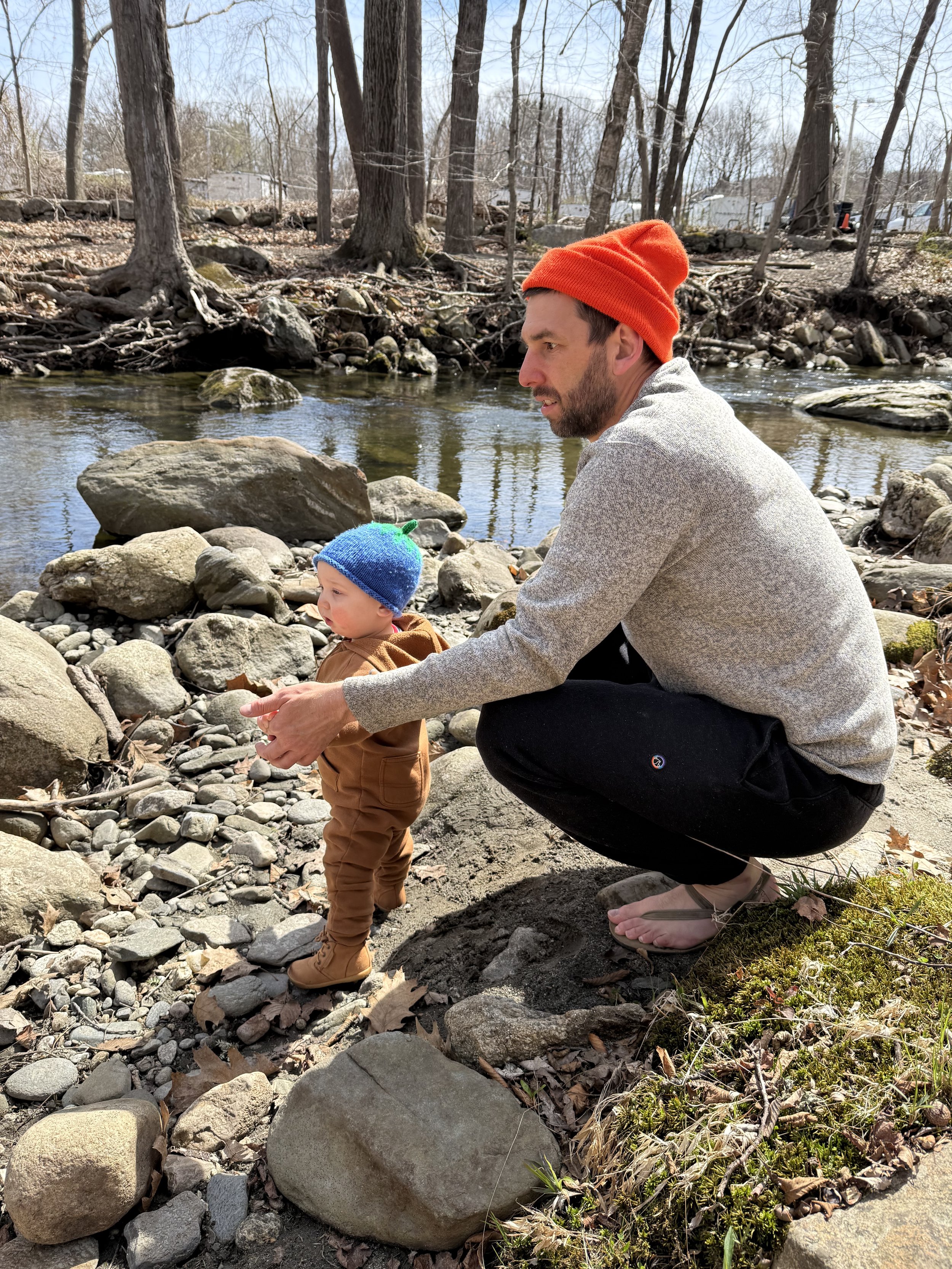
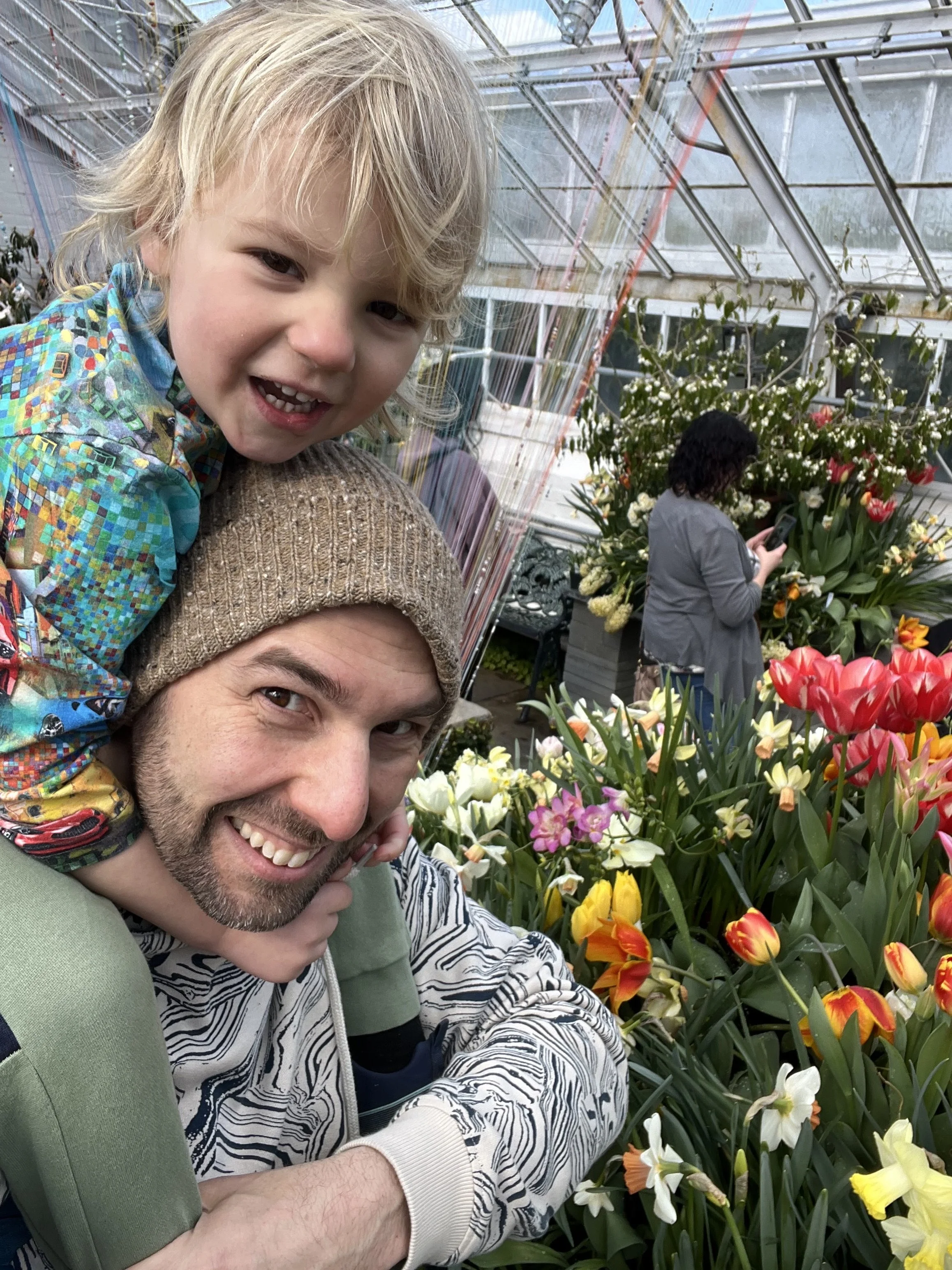
Even before my children entered the picture I long considered myself a caregiver. It seems to be a deep, and natural, part of my identity which I believe I largely inherited from my parents. Their own predispositions and consistent modeling cemented selflessness and generosity as core values, and in such has shaped the way I show up for the people around me. Now having two young kids (aged 2 and 4) and assuming the primary caretaker role in our household, it’s become blatantly obvious the toll being a caregiver can take on one's personal wellbeing when not in check.
I share this backstory as I attempt to speak to something that I admittedly struggle with as a full-fledged adult – self-care. In a recent therapy session I was exploring the depths of these struggles and was reminded that my orientation as a caregiver can, at times, inhibit others the opportunity to support me. As if I am the righteous one who must be the one to give, but to not receive. The low stakes classic example for me is dishwashing, which is a task I really enjoy doing and often deny offers to help. But, let's be real, my dismissing help runs the gamut - especially when it comes to carving out time to take care of my own physical, emotional, and social needs.
I know in my heart that accepting help and better prioritizing my own needs can be a challenge for me, and I’m actively working to improve my skills in navigating this part of my life, yet changing one’s behavior is a well documented struggle for us all. It takes immense amounts of courage and persistence to take small steps in a positive direction.
Self-care is commonly explained as the practice of taking an active role in protecting one's own well-being and happiness, particularly during periods of stress. It's not just about bubble bath respites (though these are magically healing); it's about fundamental habits that sustain your physical, mental, and emotional health. I think the key component here is that whatever you decide to do for self-care, do your best to make it habitual. And, I would add that if it’s going to become a habit, why not make it something you really enjoy doing. After all, a state of “good” health and wellbeing isn’t something that you spontaneously achieve and then don’t need to work on any more – it’s a life-long practice.
My yoga practice has probably been the single most important self-care habit I’ve nurtured over the years. And, though I’ve certainly dipped out of practice along the way, I’ve always found my way back to the mat. My body intuitively knows what it needs, but it’s up to me to listen, agree, and make it happen. Having sat at the front desk at Sanctuary for several years now I know that “making it happen” is often a barrier for folks. There’s always some reason or justification to skip out and try again another day. But, it’s up to us to make it happen. And, for my fellow caregivers, it might mean that we have to ask someone to help us out so we can find the time to slip away for a moment of self-care.
When I was starting to think about writing this post one of our yoga teachers shared in class that “self-care isn’t self-indulgence, it’s self-preservation”. It hit me hard because this has often been a pinch point for me. For whatever reason, I’ve limited my own acts of self-care because it tasted of selfishness, and I was programmed for acts of selflessness. Reframing self-care as self-preservation has been a revolutionary concept for me. If our core identity is one who takes care of others, and we want nothing more than the ability to do that each and every day, we need to ensure we have the capacity to do so. Like a reliable water well or aquifer, we must be replenished in order to keep serving.
As I’ve settled into my role as the primary caretaker for our children this replenishing concept has become quite clear and real. It’s a relentless job that comes with great responsibility and great reward, and I’m grateful to have the opportunity. What I’m most grateful for however is that it’s helping me see through the holes of my unwavering generosity logic. Don’t get me wrong, I’m proud that my default mode is one of giving. It brings me a lot of joy and a sense of purpose. But, like most things in life, too much of something can become unhealthy. I have to find the balance between caring for others and caring for myself. And, while I’m just getting started with this work of reframing and rebalancing, what I can say at this point is that every new step I take feels absolutely worth it. Not just for me, but for everyone around me - especially my kids and my partner!
For some, caregiving may not look like traditional examples of healthcare or childcare. Maybe you serve in a leadership role and spend most of your days thinking about how to take care of your employees or customers in meaningful ways. Or, maybe you work for a non-profit as a service provider and the job entails showing up for community members going through really difficult situations. Whatever it is, I think we can all relate to the fact that being human and a member of society can be stressful and taxing, and that we all deserve to be cared for in ways that heal and restore us. And yet, nothing will change if we don’t take those first vulnerable steps towards actualization and self-preservation.
At Sanctuary, we know that yoga isn’t for everyone. It’s a big reason why we began collaborating with practitioners who offer a variety of movement practices and therapeutic modalities. So, when we’re talking about changing behaviors and creating self-care habits, it's important to find what works for you - physically, emotionally, socially, and spiritually. If you don’t know where to start, just try one thing at a time and see what feels good in your body. Finding a space and a community that aligns with your values and welcomes you just as you are is also a really important element. You deserve to be seen and surrounded by people invested in your well-being.